

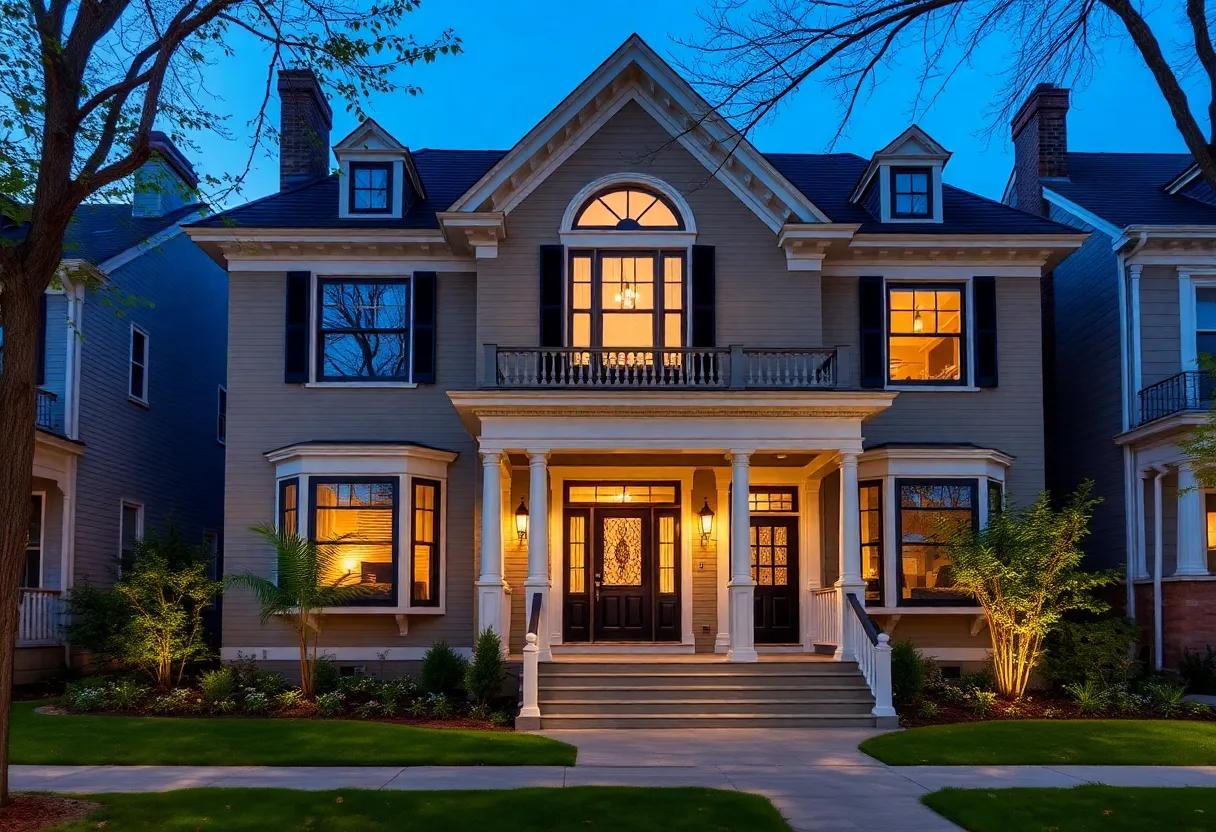
What Are the Top 5 Home Renovation Tips for Cleveland Homeowners?
Renovating a home in Cleveland presents unique challenges and opportunities. The city’s distinct climate, historic architecture, and evolving neighborhoods demand tailored strategies. Effective renovation begins with careful planning and adherence to best practices. Here, we explore the top five home renovation tips to guide Cleveland homeowners in maximizing value, functionality, and aesthetic appeal of their properties.
1. Prioritize Climate-Resilient and Energy-Efficient Improvements
Understanding Cleveland’s Climate and Its Impact
Cleveland experiences a humid continental climate characterized by cold winters, hot summers, and fluctuating precipitation. These conditions necessitate robust home systems and materials designed to withstand extreme weather.
Key Renovation Strategies
- Enhance Insulation: Upgrading attic, wall, and basement insulation reduces heat loss during icy winters, leading to lower energy bills.
- Replace or Upgrade Windows and Doors: Use ENERGY STAR-rated windows to improve thermal performance, preventing drafts and moisture intrusion.
- Implement Proper Sealing and Weatherproofing: Seal gaps around windows, doors, and foundation to block air leaks and moisture entry.
- Invest in HVAC and Ventilation: Modern, energy-efficient heating and cooling systems, along with proper ventilation, ensure comfort and air quality.
Benefits
These measures not only improve comfort but also significantly reduce energy consumption, providing long-term savings and environmental benefits.
2. Focus on Preserving and Enhancing Historic Architecture
The Value of Cleveland’s Architectural Heritage
Cleveland boasts a rich array of historic homes, including Victorian, Craftsman, and Colonial Revival styles. Preserving these features maintains neighborhood character and can augment property value.
Practical Preservation Tips
- Consult Historic Preservation Guidelines: Verify local ordinances or homeowner association rules before making modifications.
- Retain Original Features: Preserve existing moldings, hardware, and facades wherever possible.
- Use Compatible Materials: When repairs are necessary, select materials that match the original in appearance and durability.
- Selective Modernization: Upgrade electrical, plumbing, and HVAC systems discreetly to respect historic aesthetics.
Advantages of Preservation
Maintaining historic integrity tends to attract buyers seeking unique homes and can qualify for grants or tax incentives, boosting your property’s appeal and value.
3. Optimize Space and Layout for Modern Living
Adapting to Evolving Lifestyle Needs
Homeowners increasingly seek open floor plans, multifunctional spaces, and improved flow. Renovations should reflect practical demands while respecting existing structures.
Core Strategies
- Open Concept Living: Remove non-load-bearing walls to create airy, connected spaces, which are desirable features in Cleveland’s urban neighborhoods.
- Reconfigure Kitchen and Bathroom Layouts: Modernize these high-use areas with ergonomic designs and high-quality fixtures.
- Add Storage Solutions: Built-in shelving, custom closets, and basement conversions enhance functionality and reduce clutter.
- Incorporate Flexible Spaces: Design rooms that serve dual purposes, such as guest bedrooms doubling as home offices.
Impact on Home Value
Efficiently optimized layouts improve daily living comfort and are attractive attributes during resale, especially in competitive Cleveland markets.
4. Utilize Local Material and Skilled Trades for Quality Outcomes
The Cleveland Construction and Renovation Ecosystem
Leveraging regional expertise and available materials ensures superior craftsmanship and cost-effectiveness.
Recommendations for Homeowners
- Choose Local Suppliers: Source materials like brick, stone, and wood from regional vendors to match existing aesthetics and support local economy.
- Hire Experienced Professionals: Work with contractors familiar with Cleveland infrastructure, climate considerations, and historic preservation standards.
- Verify Licensing and Insurance: Ensure tradespeople are fully licensed and insured to mitigate risks and guarantee quality work.
- Request Detailed Bids: Obtain comprehensive estimates to compare costs and scope before commencing work.
Benefits
This approach leads to durable results, reduces potential for costly errors, and preserves neighborhood architectural integrity.
5. Plan for Long-Term Maintenance and Future Updates
Building for Durability and Flexibility
Effective renovation isn’t just about immediate improvements; it’s about anticipating future needs and reducing ongoing costs.
Essential Maintenance Considerations
- Choose Durable Materials: Select weather-resistant siding, roofing, and foundation materials suited to Cleveland’s climate.
- Implement Accessible Systems: Design electrical and plumbing systems with future upgrades in mind, facilitating easier maintenance and renovations.
- Install Smart Home Technologies: Incorporate automation and monitoring systems to optimize energy use and enhance security.
- Plan for Regular Inspections: Schedule routine evaluations of roof, foundation, HVAC, and plumbing to prevent major issues.
Long-Term Benefits
Proactive planning extends the lifespan of your renovation investments while maintaining home safety and efficiency.
Conclusion
For Cleveland homeowners, successful home renovation hinges on understanding local conditions, respecting historic character, and adopting forward-thinking strategies. Prioritizing climate resilience, preserving architectural essence, optimizing layouts, leveraging regional expertise, and planning for maintenance are essential. Implementing these top five tips will ensure renovations add lasting value, comfort, and aesthetic appeal to Cleveland properties. By focusing on these core principles, homeowners can navigate the complexities of renovation with confidence and clarity.