

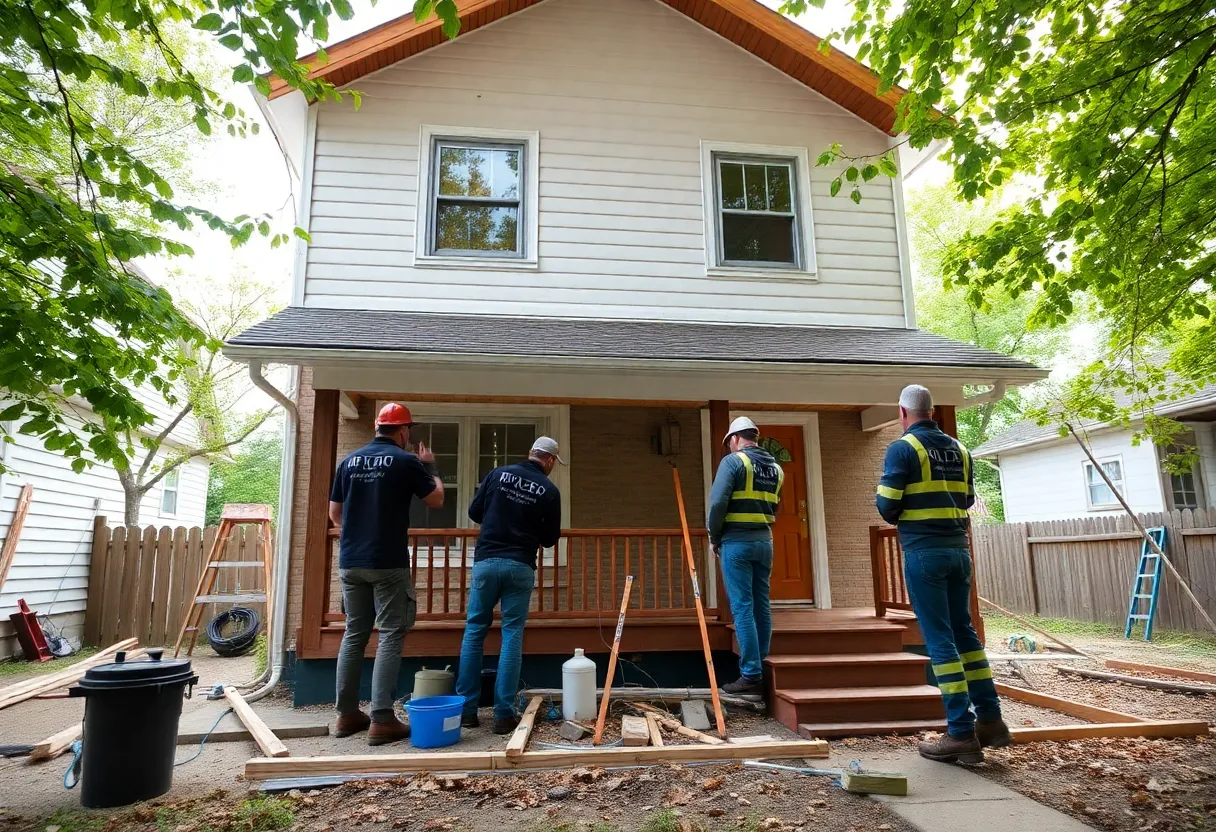
What Are the Top 5 Home Renovation Tips Every Cleveland Homeowner Should Know?
Embarking on a home renovation project in Cleveland necessitates meticulous planning and strategic decision-making. With the city’s unique climate, architectural heritage, and market dynamics, understanding key renovation principles can significantly influence your project’s success. This article delineates the top five home renovation tips specifically tailored for Cleveland homeowners, ensuring durability, value addition, and aesthetic appeal.
1. Prioritize Climate-Resilient and Energy-Efficient Upgrades
Understanding Cleveland’s Climate Challenges
Cleveland experiences a humid continental climate characterized by cold winters, hot summers, and high humidity levels. These conditions demand that home renovations incorporate climate-resilient materials and energy-efficient systems. Proper insulation, weatherproofing, and high-quality windows mitigate heat loss during winter and keep interiors cool in summer.
Implementing Effective Insulation
Upgrading wall, attic, and basement insulation adds an essential layer of protection against temperature fluctuations. Materials such as spray foam or cellulose insulation provide superior R-values, fostering energy conservation.
Choosing Weatherproof Materials
For exterior renovations, select durable siding options like fiber cement or engineered wood, which withstand humidity and temperature swings. Additionally, high-quality, double-pane windows with low-E coatings prevent drafts and reduce energy costs.
Investing in Energy-Efficient Systems
Modern HVAC units, programmable thermostats, and ENERGY STAR-rated appliances optimize energy consumption. Solar panels, while initially costly, offer long-term savings and sustainability benefits aligned with Cleveland’s commitment to green upgrades.
2. Focus on Structural Integrity and Local Building Codes
Understanding Local Regulations
Homeowners must acquaint themselves with Cleveland’s building codes and zoning laws to ensure compliance. These regulations govern permits, safety standards, and environmental considerations.
Assessing and Reinforcing Foundations
Many older Cleveland homes face foundation challenges due to soil conditions and freeze-thaw cycles. A thorough inspection by a structural engineer can identify issues early. Techniques such as underpinning or waterproofing prevent future damage and address water intrusion risks.
Ensuring Load-Bearing Capacity
When framing or modifying load-bearing walls, utilize materials and techniques compliant with local standards. Proper load calculations prevent structural failures and enhance safety.
Securing Necessary Permits
Obtain all required permits before commencing work. Compliance minimizes legal risks, avoids costly violations, and maintains property value.
3. Plan for Future Flexibility and Resale Value
Creating Multi-Functional Spaces
Design interiors that accommodate future needs, such as home offices, guest rooms, or aging-in-place features. Flexible floor plans increase the home’s appeal and functionality.
Choosing Timeless Finishes
Opt for neutral color schemes, durable flooring, and classic fixtures. These choices appeal to a broader market and mitigate the risk of obsolescence.
Enhancing Curb Appeal
Exterior upgrades like landscaping, new siding, or a modern garage door can significantly boost curb appeal. First impressions influence resale potential.
Addressing Market Trends
Stay informed about Cleveland’s real estate dynamics. Renovations aligned with market preferences, such as open-concept designs or eco-friendly features, can expedite resale.
4. Engage Qualified Local Contractors and Sustainable Materials
Partnering with Experienced Professionals
Select contractors familiar with Cleveland’s building environment and standards. Verify credentials, reviews, and previous work to ensure quality craftsmanship.
Prioritizing Sustainable and Local Materials
Use locally sourced, eco-friendly materials to reduce environmental impact and support regional economies. Reclaimed wood, low-VOC paints, and sustainable insulation materials are excellent choices.
Ensuring Clear Communication and Documentation
Establish detailed contracts specifying scopes, budgets, and timelines. Regular progress updates promote transparency and mitigate misunderstandings.
5. Budget Wisely and Plan for Unforeseen Expenses
Developing a Realistic Budget
Estimate costs meticulously, including materials, labor, permits, and contingencies. Allocate an extra 10-20% for unforeseen issues common in older homes.
Implementing Phased Renovations
Divide projects into manageable phases. This approach allows flexibility, minimizes disruption, and helps in adapting to budget variations.
Setting Priorities
Focus first on safety-critical upgrades, then aesthetic improvements. Prioritization ensures essential repairs are completed promptly, adding immediate value and safety.
Securing Financing Options
Explore and compare financing options such as renovation loans, home equity lines of credit, or cashback grants. Proper financing ensures project continuity without financial strain.
Conclusion
For Cleveland homeowners, a strategic approach to renovation emphasizes climate resilience, structural integrity, flexibility, qualified partnerships, and financial planning. Awareness of local conditions and adherence to best practices maximize investment in home improvements.
Ultimately, understanding and applying these top five renovation tips ensures a durable, valuable, and comfortable home—ready to meet Cleveland’s unique living challenges and opportunities.