

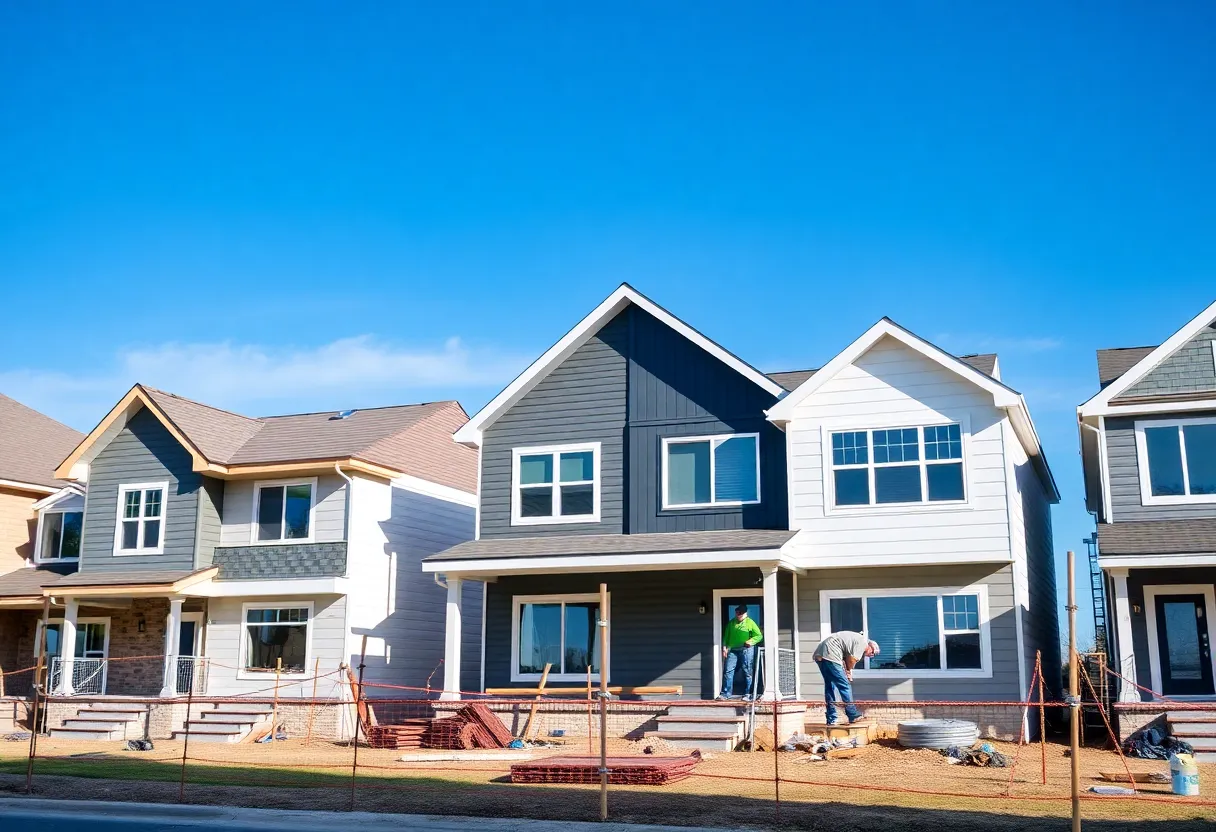
What Are the Essential Steps for Choosing the Right Home Builder in Cleveland?
Building a new home is a significant investment, one that requires meticulous planning and careful selection of the right home builder. When considering Cleveland, Ohio—a city with a diverse architectural landscape and a growing housing market—it’s essential to follow a structured approach to identify a builder who aligns with your vision, budget, and expectations. This article offers a comprehensive guide to the critical steps involved in choosing the most suitable home builder in Cleveland.
Understanding the Importance of Selecting the Right Home Builder
A well-chosen home builder ensures your project stays on schedule, within budget, and meets quality standards. Conversely, an ill-suited builder can lead to delays, cost overruns, and dissatisfaction. Therefore, focus on a builder with proven expertise, local knowledge, and a transparent working approach. This foundational step safeguards your investment and contributes to a smoother construction process.
Step 1: Define Your Home Requirements
Establish Your Budget and Timeline
Before engaging with potential builders, clearly outline your budget and desired completion timeframe. This prevents mismatched expectations and helps narrow your options to those capable of delivering within your parameters.
Determine Design Preferences and Features
Identify essential features—such as the number of bedrooms, bathrooms, style (modern, traditional, craftsman), and desired amenities. Having a well-defined dream home concept simplifies discussions with builders and ensures alignment on project scope.
Step 2: Conduct Thorough Market Research
Seek Local Experience and Reputation
In Cleveland, it is vital to choose builders familiar with the local building codes, zoning laws, and climate-specific considerations. A local builder possesses insights into neighborhood aesthetics, material availability, and permits, facilitating smoother project execution.
Gather Recommendations and Reviews
While avoiding reliance on external sources, personal recommendations and reputation within the community offer credible insights. Reach out to recent clients, real estate agents, or industry contacts to validate a builder’s track record.
Step 3: Evaluate Builder Credentials and Licensing
Check State and Local Licensing
Ensure the builder holds valid licensing issued by Ohio’s licensing board. Proper licensing confirms adherence to legal standards and professional competence.
Verify Insurance and Bonding
Confirm the builder’s liability insurance and bonding. This coverage protects you against potential liabilities, damages, or incomplete work.
Review Business Credentials
Assess whether the builder has stable licensing, registrations, and has been in operation for a sufficient period. Experienced builders tend to manage unforeseen issues more effectively.
Step 4: Review Past Projects and Portfolios
Request Examples of Previous Homes
Examine completed projects similar to your envisioned home. Pay attention to craftsmanship, attention to detail, and overall finish quality.
Visit Completed or Pending Sites
If possible, tour ongoing or finished projects to evaluate work quality and site management. This firsthand observation offers deeper insights into the builder’s operational standards.
Step 5: Analyze Contract Terms and Pricing
Obtain Detailed Bids and Estimates
Request written, itemized estimates from multiple builders. This comparison reveals pricing transparency and scope inclusiveness.
Review Contract Details Carefully
The contract should specify project scope, timeline, payment schedule, warranties, and dispute resolution procedures. Avoid ambiguous terms to prevent future conflicts.
Assess Value Versus Cost
A lower bid might indicate compromise on quality. Prioritize value and reliability over solely the lowest price.
Step 6: Communicate and Build Trust
Assess Communication Skills and Responsiveness
Effective communication is critical. Choose a builder who is transparent, responsive, and attentive to your concerns.
Gauge Professionalism and Compatibility
Trust your instincts regarding professionalism and compatibility. Building a home is a collaborative process, and good rapport facilitates smoother negotiations and problem-solving.
Step 7: Confirm Construction Timeline and Project Management Approach
Discuss Project Schedule
Ensure the builder provides a realistic timeline with milestone deadlines. Clarify expectations for inspections and permit approvals.
Understand Project Oversight
Determine who will manage daily operations and how issues will be addressed. A builder employing dedicated project managers often ensures better coordination.
Step 8: Review Warranty and Post-Construction Support
Inquire about warranties on materials, workmanship, and structural components. Clarify the process for addressing issues after project completion.
Conclusion: Making an Informed Decision
Choosing the right home builder in Cleveland requires a methodical, informed approach. Focus on detailed research, verification of credentials, portfolio evaluation, and open communication. Maintaining key information and avoiding unnecessary assumptions ensure your vision becomes a reality with minimal complications.
Remember, a well-selected builder aligns with your goals, respects your budget, and upholds high standards—crucial factors for creating a home that stands the test of time.