

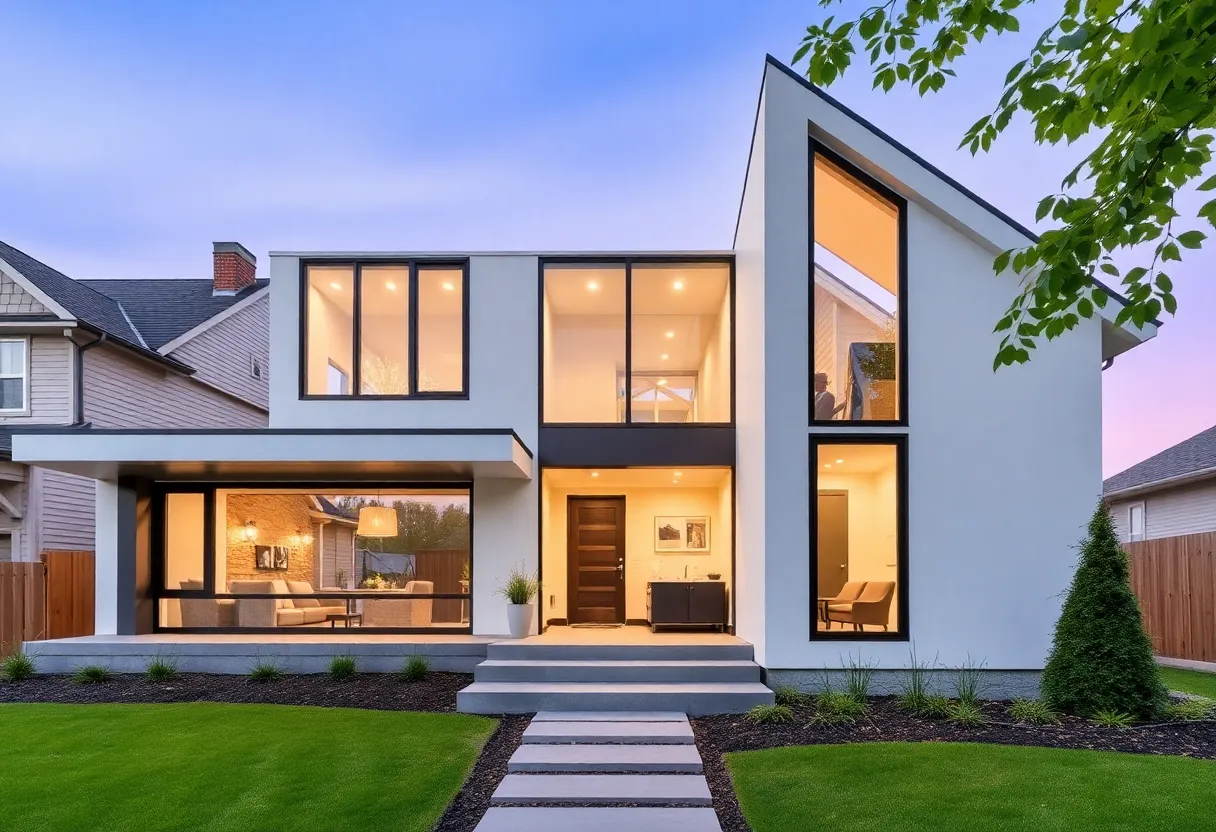
What Are the Top 5 Considerations for Planning a Successful Home Addition?
Planning a home addition is a substantial investment that can significantly enhance your living space and property value. However, it requires diligent preparation and strategic decision-making to ensure success. Here, we delve into the five most critical considerations that guide a well-executed and hassle-free home addition project.
1. Establishing Clear Objectives and Scope
Define Your Needs and Goals
Begin with a precise understanding of why you want the addition. Are you expanding your family, creating a home office, or adding recreational space? Clear objectives inform every subsequent decision, shaping the design and functionality of the project.
Determine the Scope of the Project
Quantify the extent of the addition. Will you extend outward, add a second story, or convert existing spaces? Establishing the scope upfront helps in budgeting, scheduling, and coordinating with professionals.
Prioritize Flexibility and Future Use
Consider future needs. Modular designs or adaptable layouts can prevent costly renovations later. Clearly delineate essential features versus desirable extras to keep project scope manageable.
2. Conducting Thorough Site and Space Analysis
Assess the Property and Zoning Regulations
Before planning, study local zoning laws, setbacks, height restrictions, and permit requirements. Violating local ordinances can cause costly delays and modifications.
Evaluate the Existing Land and Structure
Analyze the land’s topography, drainage, soil stability, and access points. For existing structures, inspect foundation integrity, roof condition, and structural capabilities. This assessment informs design feasibility and construction methods.
Identify Potential Obstructions and Constraints
Be aware of underground utilities, trees, easements, or neighboring structures that may limit expansion. Adjustments to your plans might be necessary to resolve or accommodate these factors.
3. Budgeting and Financial Planning
Estimate Total Costs Accurately
Budget comprehensively, including construction costs, permits, design fees, utility upgrades, and unexpected contingencies. Overlooking hidden expenses can derail the project.
Secure Financing Options
Explore financing options such as home equity loans, refinancing, or personal savings. Obtain pre-approvals to streamline the process once bids come in.
Plan for Long-term Value and ROI
Ensure that the addition adds value proportionate to your investment. Well-conceived projects yield higher returns and enhance overall property appeal.
4. Designing for Functionality, Aesthetics, and Compliance
Create a Cohesive Design
The addition should blend seamlessly with the existing architecture. Use compatible materials, styles, and proportions. Consider natural light, ventilation, and flow to optimize usability.
Incorporate Energy Efficiency and Sustainability
Select energy-efficient windows, insulation, and HVAC solutions to minimize operating costs. Sustainable practices increase comfort and appeal to eco-conscious buyers.
Ensure Code Compliance and Accessibility
Work with architects and engineers to meet all building codes, safety standards, and accessibility guidelines. This guarantees legal compliance and long-term safety.
5. Selecting Qualified Professionals and Managing the Project
Engage Experienced Contractors and Architects
Choose professionals with a proven track record in home additions. Verify references, review portfolios, and confirm licensing. Skilled experts can prevent costly mistakes and delays.
Develop a Detailed Construction Timeline and Contract
Establish a realistic schedule, including milestones and deadlines. A comprehensive contract clarifies responsibilities, payment schedules, and change order procedures.
Maintain Effective Communication and Oversight
Regular site visits and updates ensure the project stays aligned with your vision. Address issues promptly and manage change orders carefully to contain costs and timelines.
Conclusion
Successfully planning a home addition hinges on careful consideration of objectives, site analysis, finances, design, and project management. By diligently addressing each of these areas, homeowners can minimize risks, control costs, and realize a final result that enhances their home’s functionality and value.
Additional Tips for a Smooth Home Addition
- Start planning early to accommodate permit processes and contractor availability.
- Prioritize sustainable and energy-efficient solutions to reduce long-term expenses.
- Maintain a flexible mindset to adapt to unforeseen challenges or design adjustments.
- Keep detailed records of all correspondence, contracts, and inspections.
- Regularly review progress against initial goals to ensure alignment and quality.
In conclusion, a well-planned home addition is an investment in your property’s future. Focus on these five core considerations to achieve a smooth construction process and create a space that serves your family’s needs for years to come.

Author: STAFF HERE CLEVELAND WRITER
The CLEVELAND STAFF WRITER represents the seasoned team at HERECleveland.com, your premier source for actionable local news and information in Cleveland, Cuyahoga County, and beyond, delivering "news you can use" with in-depth coverage of product reviews for personal and business needs, local business directories, politics, real estate trends, neighborhood insights, and state news impacting the region—backed by years of expert reporting and robust community input, including local press releases and business updates, while providing top reporting on high-profile events like the Rock and Roll Hall of Fame inductions, Cleveland International Film Festival, and holiday parades, alongside key organizations such as the Cleveland Clinic, Cleveland Orchestra, and Great Lakes Science Center, plus leading businesses in manufacturing and healthcare like Sherwin-Williams and University Hospitals, and as part of the broader HERE network including HEREDayton.com, offering comprehensive, credible insights into Ohio's vibrant landscape. HERE Cleveland HERE Dayton