

News Summary
Research at the Colorado School of Mines aims to convert mine tailings into high-value construction materials, addressing the need for critical minerals like lithium and cobalt. Led by Reza Hedayat, this initiative promotes sustainable practices by repurposing mining waste into products such as geopolymer bricks and ceramic tiles. By enhancing mineral recovery from tailings, the project aligns with national energy goals and reduces reliance on foreign imports, contributing to a greener economy and creating local job opportunities.
Golden, Colorado — Innovative research at the Colorado School of Mines is set to transform mine tailings into high-value construction materials, thereby addressing the critical need for essential minerals required in technologies spanning energy, communications, defense, and healthcare.
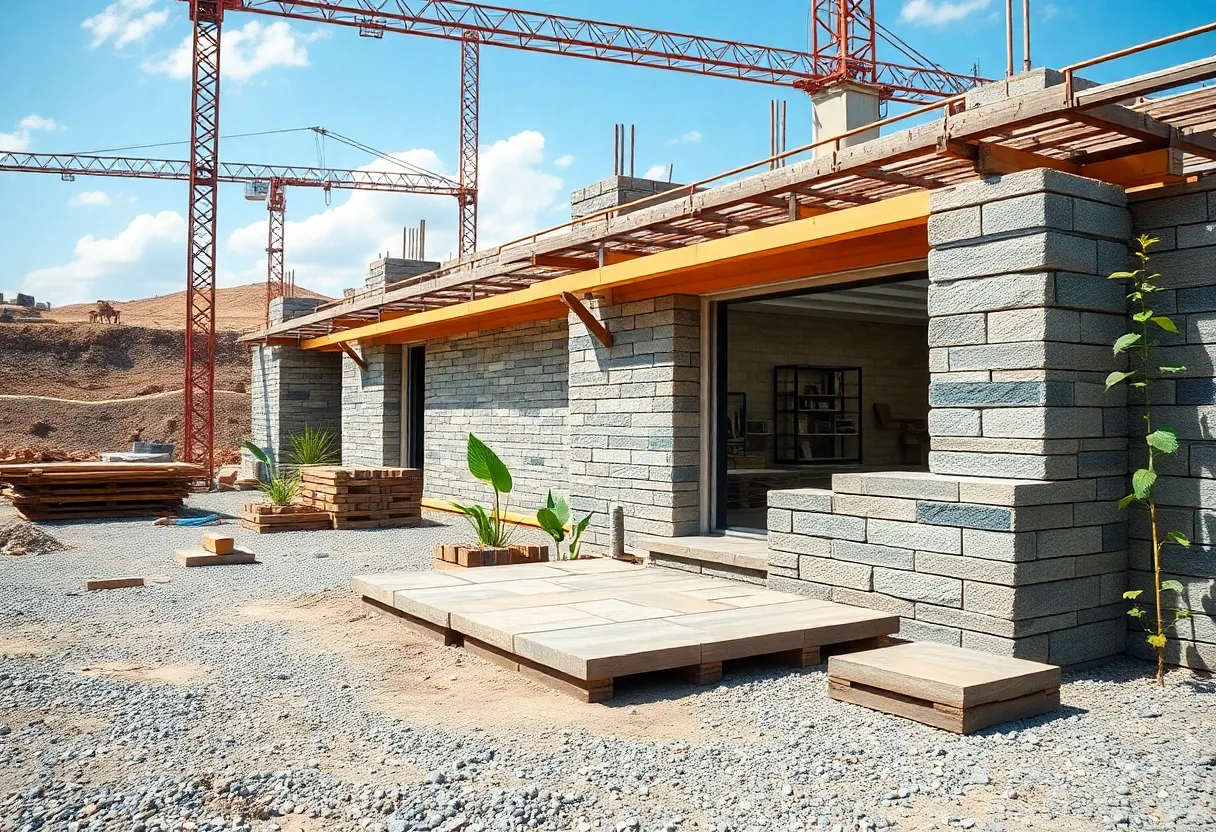
Led by associate professor Reza Hedayat, this groundbreaking approach seeks to convert mine tailings—the waste remaining from mining activities—into durable construction materials such as geopolymer bricks, lightweight aggregates, and ceramic tiles. This research aligns with efforts to enhance the domestic supply chain of critical minerals like lithium, cobalt, and rare earth elements, which are increasingly important for the modern economy.
Mining operations typically result in more than 90% of mined ore becoming tailings, which pose significant environmental risks when disposed of improperly. Hedayat’s perspective shifts the narrative around tailings from being just waste to viewing them as valuable resources that can be repurposed, contributing to sustainable practices in both the mining and construction sectors.
The initiative aims to create sustainable construction materials that meet strict performance criteria while simultaneously minimizing the environmental impact associated with traditional mining. By processing tailings to extract valuable minerals that may otherwise be lost, this research promotes a more circular economy, reducing the demand for new raw materials and potentially lowering carbon emissions from the construction industry.
The extraction process not only aims to recover economically viable minerals but also utilizes what cannot be retrieved, ensuring that tailings are not left neglected. Hedayat’s findings emphasize the necessity of a dual-use strategy in mining, advocating for both mineral recovery and waste reuse to enhance the critical mineral supply chain.
Recognizing that nearly all critical minerals relied upon in modern technologies are found in processed ore—yet mostly end up in tailings—Hedayat’s research underscores a significant opportunity for the U.S. to meet its critical mineral needs domestically. Improvements in recovery methods could allow for more than 10% of cobalt and even small percentages of germanium trapped in tailings to be reclaimed, providing substantial benefits to U.S. markets.
The study from the Colorado School of Mines indicates that effectively capturing critical minerals from mining waste could drastically diminish reliance on foreign imports. Although recovering these valuable byproducts is economically challenging under current market conditions, ongoing research coupled with supportive policies could enhance the viability of these initiatives.
The research is part of the U.S. Department of Energy’s initiative aimed at boosting domestic production of critical minerals through innovative, value-added products. To facilitate successful implementation, collaboration across various sectors, including mining companies, academia, and government agencies, will be essential.
Plans include establishing local facilities near mine sites that can process tailings, promoting regional economies while minimizing transportation costs and environmental footprints. Such strategies not only enhance local job creation but also fulfill the objective of developing sustainable solutions to the mining industry’s chronic waste disposal challenges.
Hedayat’s vision of working towards a sustainable and scalable pathway for repurposing mine waste aligns with national energy priorities, particularly amidst the global shift towards renewable energy technologies. As the need for critical minerals intensifies due to advancements in various sectors, reclaiming these materials from mine tailings reflects broader strategic interests and goals related to sustainability.
As researchers continue to uncover the potential of mine tailings, the connection between sustainable materials development and critical mineral supply is underscored. Through this innovative research at the Colorado School of Mines, the future of mining may not only feature enhanced mineral recovery but also a significant step toward achieving a greener and more sustainable economy.
Deeper Dive: News & Info About This Topic
HERE Resources
Additional Resources
- Mines Newsroom: Reimagining Mine Waste
- Wikipedia: Mine Tailings
- Mining.com: America’s Critical Minerals in Mining Waste
- Google Search: Critical Minerals
- Earth.com: Buried Treasure in Critical Minerals
- Encyclopedia Britannica: Mining
- Chemistry World: Unrecovered Byproducts from US Mines
- Google Scholar: Mine Waste Critical Minerals
- Mining Technology: The Hidden Value of Mine Waste
- Google News: Mine Waste Recycling